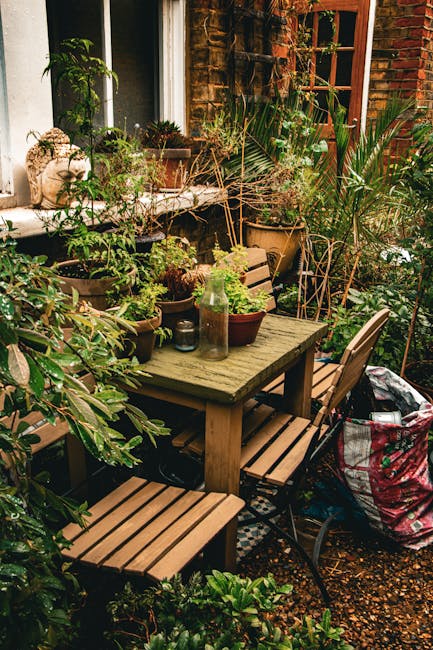
Camberwell Green gardeners guide for small urban yards
If you are trying to make a small outdoor space feel calm, useful, and genuinely attractive, you already know the challenge: every square metre has to earn its keep. This Camberwell Green gardeners guide for small urban yards is built for exactly that kind of garden - the compact courtyard, the narrow side return, the tiny back yard that gets a bit of sun for three hours and then disappears into shade. It is not about forcing a "big garden" look into a tight space. It is about working with the scale you have, making better choices, and avoiding the usual mistakes that make small urban yards feel even smaller.
In Camberwell Green, you also have the usual London realities to think about: overlooking from neighbouring homes, patchy light, hard surfaces, bin storage, access routes, and the odd bit of wind tunnelling between buildings. Truth be told, those details matter just as much as plant choice. Get them right, and a small yard can feel surprisingly generous. Get them wrong, and even a decent space starts to feel awkward.
This guide walks through the practical side of small-yard gardening: design principles, planting choices, maintenance habits, how to assess what really works, and when it makes sense to bring in help from local professionals. If you are planning a refresh or simply want a yard that is easier to live with, you are in the right place.
Contents
- Why Camberwell Green gardeners guide for small urban yards matters
- How Camberwell Green gardeners guide for small urban yards works
- Key benefits and practical advantages
- Who this is for and when it makes sense
- Step-by-step guidance
- Expert tips for better results
- Common mistakes to avoid
- Tools, resources and recommendations
- Law, compliance, standards, or best practice
- Options, methods, or comparison table
- Case study or real-world example
- Practical checklist
- Conclusion
- Frequently asked questions
Why Camberwell Green gardeners guide for small urban yards Matters
Small urban yards are easy to underestimate. They look simple at first glance, but they tend to reward careful planning far more than larger gardens do. One wrong layout decision can block movement. One oversized shrub can dominate the whole view. One poorly draining corner can become a muddy nuisance for months. So yes, the margin for error is smaller.
That is why a focused guide matters. In a compact Camberwell Green yard, good gardening is less about having more plants and more about making each element purposeful. The best spaces usually do three things well: they feel open, they are easy to maintain, and they suit everyday life. A yard that looks lovely but is a pain to keep tidy will quickly become frustrating, especially if you are already juggling work, family, and the usual London pace.
There is also a local rhythm to these spaces. Many Camberwell Green yards are attached to terraces, flats, or converted properties, which means the garden often functions as an extension of the home rather than a separate outdoor world. You might want morning coffee space, somewhere for children to play, or a tidy spot for containers, herbs, and a bit of privacy. That mix of functions is exactly why small-yard gardening needs a more strategic approach.
For homeowners who want reliable upkeep rather than one-off tidying, a service such as garden maintenance can be a sensible way to keep the whole space under control without letting it drift into chaos. And if the yard has become cluttered after months of neglect, garden clearance can reset things fast before any finer work begins.
How Camberwell Green gardeners guide for small urban yards Works
The basic method is simple, though the thinking behind it is doing a lot of work. You start by measuring what you actually have, then decide what the yard needs to do, and only then choose plants, materials, and maintenance routines. That order matters. Many disappointing small gardens are designed backwards: a person buys a pretty plant, then tries to fit it into a space where it does not belong.
In practice, good small-yard gardening usually works like this:
- Assess the space honestly. Look at light, shade, wind, drainage, privacy, access, and where people naturally walk.
- Define the main job of the yard. Is it for sitting, children, pets, planting, storage, or all of the above?
- Set a clear structure. Hard landscaping, edging, and defined zones make compact spaces feel calmer.
- Choose plants for scale and behaviour. Compact, layered planting generally works better than one big feature plant.
- Plan maintenance from day one. The easiest yard to love is one that is not a weekly battle.
That might sound straightforward, but small spaces are full of trade-offs. A paved yard can be neat and practical, though it may need softening with planters or climbing plants. A planted yard can feel lush, though it will need more time, watering, and seasonal cutting back. A mixed approach often gives the best balance.
If a layout change is needed, local landscaping or landscape gardening support can help turn a cramped or awkward yard into a space with better flow. And when boundaries, screening, or overgrown edges are part of the problem, hedge trimming or careful structural work may be part of the plan.
Key Benefits and Practical Advantages
Small yards done well can be genuinely brilliant. Not "better than a big garden" in some dramatic sense, but better for day-to-day living because they are easier to use, easier to manage, and easier to make feel finished. That is the point.
- Lower upkeep pressure: Smaller planting schemes and clear surfaces are usually easier to maintain.
- Better usability: A compact yard can be organised around one or two clear functions instead of trying to do everything at once.
- More visual calm: Simple lines, restrained planting, and tidy edges stop the space from feeling busy.
- Improved privacy: Clever screening, trellis, and layered planting can reduce the feeling of being overlooked.
- Stronger year-round appeal: Even a modest space can look good in winter if the structure is right.
- Better value from every feature: In a small yard, a well-placed bench, pot, or planter really does make a difference.
One of the nicest things about a successful small yard is how it changes daily habits. You start stepping outside more. You notice the scent of wet rosemary after rain, or the way morning light lands on a brick wall at about eight o'clock. Little thing, perhaps, but they add up. A yard that feels easy to use gets used.
There is also a practical benefit for the property itself. Neat borders, healthy planting, and well-kept hard surfaces create a stronger impression than a space that is overcrowded or tired. If you are preparing to sell, rent, or simply want to enjoy where you live a bit more, that visual lift matters.
Who This Is For and When It Makes Sense
This guide is useful if you have a small yard in Camberwell Green and any of the following sound familiar:
- You want the space to feel bigger without rebuilding everything.
- You have a mix of hard paving and awkward planting pockets.
- The yard gets neglected because it feels too small to bother with.
- You need privacy from neighbouring windows or upper floors.
- You want easy-care planting rather than a high-maintenance border.
- You have a patio, courtyard, or narrow strip that needs practical structure.
- You are thinking about a refresh but do not want to overinvest in the wrong thing.
It is also for people who already know that small-space gardening is not "quick and easy", despite what a few glossy photos suggest. A compact garden can be straightforward once it is well planned, but first you need to be honest about what is realistic. If you have limited time, a low-maintenance scheme makes sense. If you enjoy potting, pruning, and seasonal changes, you can build in more detail. There is no single right answer.
For landlords, managing agents, and busy homeowners, the question often becomes whether ongoing support is worth it. If the yard has a lawn or a recurring tidy-up need, a regular lawn mowing or broader maintenance schedule can save a lot of last-minute stress. A yard does not have to be large to become time-consuming. Funny how that works.
Step-by-Step Guidance
1. Start with a proper site read
Walk the yard slowly and notice what happens at different times of day. Where does the light fall? Where does water sit after rain? Which corners feel exposed? Which parts do you naturally avoid? This step sounds basic, but it stops expensive mistakes later.
Take a few photos in the morning, lunchtime, and evening if you can. A small yard may have one sunny patch and several deep shade areas, and that difference shapes everything.
2. Strip the design back to one or two goals
It is tempting to ask a small yard to do too much. Seating area, wildlife space, storage zone, vegetable patch, flower display, play space - all in one. Sometimes that works, but often it ends up cluttered. Pick the two most important uses and build around them.
For example, if outdoor dining matters most, prioritise a clear flat area, comfortable access, and simple planting around the edges. If privacy is the main issue, use layered screening first, then add seating later.
3. Create strong structure before adding detail
Structure is what makes a tiny space feel orderly. That might mean clean edge lines, a central path, raised planters, or a change in surface material. You do not need lots of features. You need clarity.
Even a single bench, a slim planter run, and a well-defined border can transform how the yard reads. To be fair, structure is not the glamorous bit, but it is the part you feel every day.
4. Choose plants that behave well in confined spaces
Look for compact shrubs, shade-tolerant ground cover, climbers for vertical interest, and seasonal containers that can be moved when needed. Avoid plants that quickly become too wide, too woody, or too thirsty for the site. A small yard is not the place for plants that insist on becoming giant objects.
Layering works best: something low, something mid-height, something vertical. That creates depth without overcrowding the floor space.
5. Keep the floor area working hard
In a tiny yard, the ground surface does more than people think. Good paving, tidy gravel, or a well-kept deck can make the garden feel more open. If you want a warmer, more usable surface, decking services may be worth considering, especially where you want a softer visual feel than plain paving.
Just make sure the finish suits the use. A surface should be safe, practical, and not too slippery or fiddly. Nobody wants to baby a tiny courtyard every time it rains.
6. Build in maintenance from the start
Think ahead to the boring bits - pruning, sweeping, weeding, watering, leaf fall, and the occasional seasonal cutback. If the design is beautiful but impossible to maintain, it will deteriorate fast. A small yard should be kind to your schedule.
That is often where professional help makes sense. If you want the space set up and then kept tidy through the year, a recurring plan through services overview can help you see what is available and choose the support level that fits your garden's needs.
Expert Tips for Better Results
There are a few small decisions that make a very big difference in compact urban yards. These are the kinds of things that separate an average result from one that quietly works, day after day.
- Use repetition sparingly. Repeating one or two materials or plant types gives calm, but too much repetition can feel flat. Aim for rhythm, not sameness.
- Think vertical. Walls, trellis, and climbing plants let you add interest without eating floor area.
- Leave breathing room. Not every corner needs filling. Empty space is not wasted space in a small garden.
- Choose one strong focal point. A single feature, such as a pot display or statement planting, often works better than several competing focal points.
- Prioritise containers you can move. Mobility is useful in small spaces, especially when you want to change seasonal light or rework the layout.
- Be selective with colour. A restrained palette often makes a compact yard look more sophisticated and less busy.
If you are dealing with a very enclosed yard, the subtle things matter: the colour of the boundary wall, the texture of the paving, the height of the planters, the way light bounces off a pale surface. These are quiet design details, but they do a lot of heavy lifting.
Also, a small note from lived experience: people often overestimate how much plant variety a small yard can hold. You can have variety, absolutely. But if every plant shouts for attention, the whole space becomes noisy. A few well-chosen species, repeated with intention, usually look far better.
Common Mistakes to Avoid
Small urban yards are unforgiving in a few predictable ways. Here are the usual traps.
- Overcrowding. Too many plants, pots, and decorative items make the yard feel cramped.
- Choosing large-scale plants. A plant that looks perfect in the nursery can quickly overwhelm a compact space.
- Ignoring drainage. In London yards, poor drainage can turn a small problem into a constant one.
- Using too many materials. Mixing several paving styles, timber finishes, and colours can make the space feel chopped up.
- Forgetting access. You still need to move bins, furniture, watering cans, and people through the space easily.
- Designing only for summer. Winter structure matters just as much, maybe more.
Another common issue is trying to hide every functional element. Sometimes the bin store, the hose reel, or the storage box just needs a neat, deliberate place. Pretending utility does not exist rarely ends well. Better to integrate it properly.
If the yard has become severely overgrown or cluttered, a one-off tidy is often not enough. A proper reset through garden clearance can create a clean starting point so design decisions are based on reality, not guesswork.
Tools, Resources and Recommendations
You do not need a garage full of specialist kit to manage a small urban yard well, but a few reliable tools make a huge difference. The essentials are simple:
- a sturdy hand fork and trowel
- good secateurs for light pruning
- a lightweight broom for regular sweeping
- a watering can or hose arrangement that is easy to store
- gloves that actually fit properly - a small thing, but worth it
- a spade or border spade if you are reworking planting areas
- a simple measuring tape for planning pots, edging, and furniture
For materials, choose finishes that suit a compact scale. Clean-edged planters, slender furniture, and restrained surfaces usually work better than bulky or highly ornate items. If you are adding hard landscaping, think about how the whole space will age. Timber may warm the yard visually, while stone can make it feel crisp and tidy. Both can work. The trick is not to mix them randomly.
If your garden needs more than routine upkeep, a professional gardening team can help with the right balance of planting, shaping, and surface care. In practice, that might mean regular trimming, seasonal tidying, or one-off work to bring the layout back under control. You can also review the provider's standards and working practices through pages such as insurance and safety and health and safety policy, which are worth checking whenever anyone is working in a tight residential space.
And yes, if sustainability matters to you - it matters to a lot of people these days - recycling and sustainability can help show how waste, green material, and general disposal are approached. That's not glamorous, but it is responsible.
Law, Compliance, Standards, or Best Practice
Small-yard gardening in a London residential setting usually does not involve heavy regulation, but there are still sensible standards and local considerations to keep in mind. If your work affects shared boundaries, party walls, access routes, drains, or neighbouring properties, it is wise to proceed carefully and communicate clearly. That is just good practice.
Some general points are worth remembering:
- Be considerate with neighbours. Cutting, hedge work, and noisy tasks should be timed thoughtfully where possible.
- Check access before work begins. Narrow side passages, shared paths, and gate widths can shape what is practical.
- Handle waste properly. Green waste and rubble should be managed in a tidy, responsible way.
- Use safe working methods. Especially for pruning, lifting, and any work near overhead obstacles or awkward slopes.
- Use insured professionals for significant work. This matters more in confined spaces where a mistake can affect multiple surfaces or neighbouring areas.
For work involving trees, larger shrubs, or anything that may be awkward or hazardous, it is better to avoid DIY heroics. A small yard does not automatically mean simple work. A branch over a fence or a tree close to a structure can introduce risk quickly. When in doubt, get it assessed properly.
If you are comparing providers, the company's about us page can be a useful place to understand their approach, while pricing and quotes helps set expectations before you commit. Clear information beats vague promises every time.
Options, Methods, or Comparison Table
Most small urban yards fall into one of a few practical approaches. Here is a simple comparison to help you decide what suits your situation.
| Approach | Best for | Pros | Trade-offs |
|---|---|---|---|
| Low-maintenance hardscape with containers | Busy households, rental properties, compact courtyards | Easy to clean, tidy all year, flexible planting | Can feel stark if not softened with greenery |
| Mixed planting and paving | Homeowners who want a balanced, lived-in look | Good visual interest, more natural feel, usable seating area | Needs a bit more upkeep than a hardscape-led design |
| Plant-led small garden | People who enjoy gardening and seasonal change | Lush, characterful, great texture and colour | More watering, pruning, and ongoing attention |
| Screened privacy garden | Overlooked yards, side returns, exposed urban spaces | Improves comfort, makes the yard feel more private | Must be planned carefully so it does not block light |
In most real-world cases, a mixed approach wins. It gives you enough softness to feel like a garden, enough structure to stay practical, and enough room to change things later. Not perfect, perhaps. But often the most sensible choice.
Case Study or Real-World Example
Picture a modest Camberwell Green yard behind a terraced home. It is narrow, a little shaded, and mostly used as an afterthought. The paving is uneven in places, the old border plants have grown leggy, and the whole area feels smaller than it is because nothing quite lines up. A classic urban garden problem.
The first move would not be to buy more plants. It would be to clear the clutter, define the usable floor area, and decide what the space needs to do. In this case, the homeowners want two things: a place to sit for coffee in the morning and a nicer view from the kitchen window. That's enough. No need to chase every possible function.
The redesign would likely involve a tidier hard surface, a few medium-sized planters for structure, and climbing plants along one boundary to soften the wall without taking up floor space. A slim bench would replace a bulky chair set. The planting would focus on texture and a limited colour palette, so the garden reads as calm rather than busy.
By late spring, the space would feel noticeably larger even though the footprint had not changed. That is the real trick with small yards: you often do not need more space, just better spatial behaviour. A yard that once felt like a leftover strip suddenly becomes part of the home. You can hear the faint clink of a mug against a table, smell cut leaves after watering, and the whole place starts to feel intentional. That shift is the goal.
Practical Checklist
Use this checklist before you start any small-yard project or maintenance refresh.
- Measure the yard accurately, including narrow corners and access points.
- Note where sun, shade, wind, and dampness occur.
- Decide the main purpose of the space.
- Remove clutter and assess what should stay.
- Choose one clear layout style: hardscape-led, mixed, plant-led, or privacy-led.
- Pick plants that suit the light and the size of the yard.
- Keep pathways and sitting areas generous enough to use comfortably.
- Check drainage before adding new surfaces or containers.
- Plan for pruning, sweeping, watering, and seasonal cutback.
- Review safety, access, and waste handling before any major work.
- Get a professional opinion if the yard is overgrown, awkward, or structurally complicated.
Expert summary: the best small urban yards are not crowded, not overdesigned, and not difficult to maintain. They are clear, balanced, and built around everyday use. Simple sounds almost too simple, but in practice, that is usually where the win is.
Conclusion
A well-planned small yard in Camberwell Green can be one of the most satisfying parts of a home. It does not need to be huge. It just needs to be coherent, useful, and looked after with a bit of thought. If you focus on structure first, choose plants that suit the light and scale, and keep maintenance realistic, the space will reward you every season.
The real payoff is not just visual. It is the ease of stepping outside without feeling overwhelmed by the garden. It is the difference between a yard you avoid and one you actually use. And honestly, that is a lovely thing to get right.
If you are ready to improve a compact outdoor space, compare the options, check the support available, and choose the approach that fits your home and schedule. Small yards can be brilliant. They just need a careful hand.
Get a free quote today and see how much you can save.
Frequently Asked Questions
What makes a small urban yard different from a normal garden?
A small urban yard has less space to work with, so layout decisions matter more. It usually needs stronger structure, simpler planting, and a clearer purpose than a larger garden.
How do I make my Camberwell Green yard look bigger?
Use fewer materials, keep lines clean, and avoid overcrowding. Vertical planting, lighter surfaces, and clear open floor space can all make a compact yard feel more spacious.
What plants work best in small urban yards?
Choose compact shrubs, climbers, containers, and plants suited to the site's light conditions. The best choices are usually the ones that stay in proportion and do not demand constant reshaping.
Is decking a good idea for a small yard?
It can be, especially if you want a warmer, more usable sitting area. A well-planned deck can improve the feel of a yard, though it should suit drainage, access, and maintenance needs.
How often should a small yard be maintained?
That depends on the planting and surfaces, but many compact gardens benefit from light, regular attention rather than rare big clean-ups. Small jobs done often tend to be much easier to manage.
Do I need professional help for a tiny garden?
Not always, but professional help makes sense if the space is overgrown, poorly laid out, or awkward to access. A good gardener can save you time and help avoid expensive missteps.
What should I do first if my yard is a mess?
Start with clearance. Remove clutter, cut back overgrowth, and assess drainage and access before making design changes. It is hard to plan well when you cannot really see the space.
How can I get more privacy in a small urban yard?
Use layered planting, trellis, screening, or strategic boundaries that soften overlooking without shutting out too much light. Privacy should feel comfortable, not boxed in.
What is the biggest mistake people make with small yards?
Overcrowding is the big one. Too many plants, colours, or features can make the area feel cramped and harder to maintain.
Can a small yard still support year-round interest?
Yes, absolutely. Mix evergreen structure with seasonal planting and maintain a tidy hard surface so the garden still looks intentional in the colder months.
When should I consider a garden clearance service?
If the yard has become difficult to access, has too much waste, or is dominated by overgrowth, a clearance service can give you a clean slate before any real design or maintenance work begins.
How do I choose between landscaping and regular maintenance?
If the space needs a new layout or surface work, landscaping is the better starting point. If the garden already works but needs ongoing care, regular maintenance is usually the smarter choice.